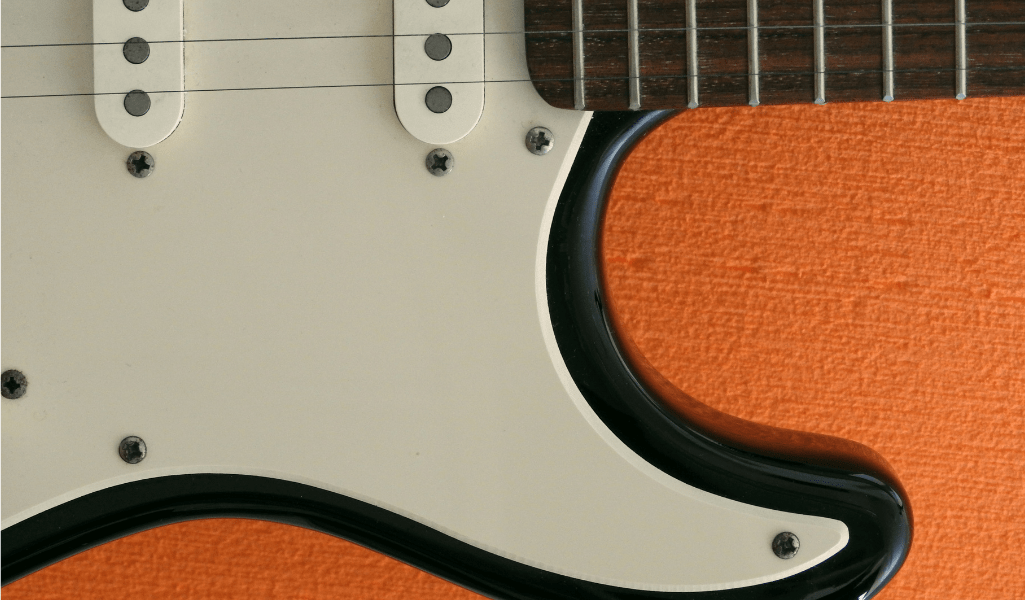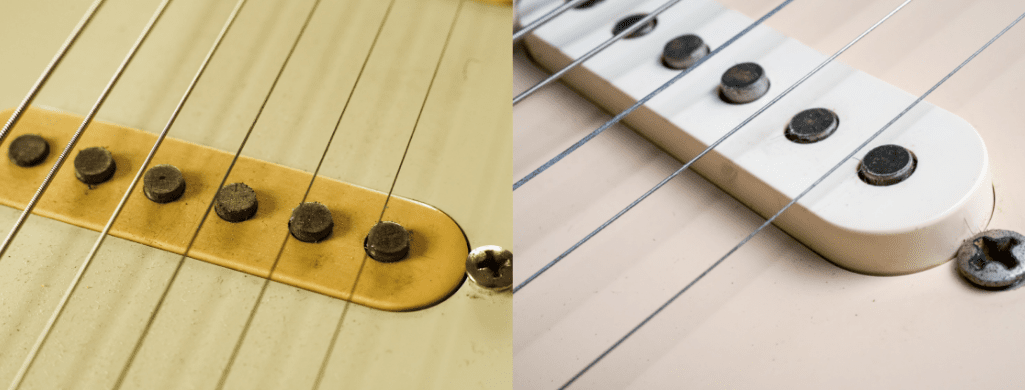
Upgrading your Stratocaster pickups is one of the most effective modifications you can make to your guitar. More effective than new tuners, more effective than a new nut, arguably more effective than most other hardware changes. Your pickups are the engine — they determine your tone more than almost anything else in your signal chain.
The problem is there are dozens of options and the marketing language around pickups is mostly useless. “Vintage warmth.” “Singing sustain.” “Classic Strat tone.” Every manufacturer says the same things about every pickup. None of it helps you make a decision.
This guide cuts through that. We’ve pulled together real player feedback from forums, player communities and extensive research to give you an honest picture of what each pickup actually sounds like, who it suits, and where it falls short. No fluff.
What To Know Before You Buy Strat Pickups
Before getting into specific recommendations, three things are worth understanding:
Single coil hum is real. Traditional single-coil Strat pickups produce 60-cycle hum — that low-level buzz you hear when you’re not playing, especially noticeable in positions 1, 3 and 5. Noiseless pickups solve this but make a tonal trade-off. More on that below.
Output level matters. Vintage-output pickups are quieter and more dynamic. Hotter pickups have more output and drive your amp harder. Neither is better — it depends on your playing style and amp. High-output pickups into a clean amp can be great. Vintage-output pickups through a cranked tube amp can be transcendent.
Magnet type shapes tone. Most Strat pickups use Alnico 2, Alnico 5, or ceramic magnets. Alnico 2 is warm and smooth with a soft attack. Alnico 5 is brighter and more articulate with better note definition. Ceramic magnets are aggressive, high-output, and suit high-gain playing — less common in Strat pickups.
Best Strat Pickups
1. Fender Hot Noiseless Pickups — Best Overall
| Magnet Type | Ceramic |
| Output | High |
| Hum-free | Yes |
| Best for | Blues, rock, high-gain playing |
The Hot Noiseless pickups are Fender’s highest-output noiseless option and represent the best balance of the two things Strat players argue about most — tone and silence. They’re the pickups Jeff Beck had fitted to his signature Stratocaster, which tells you something about their credibility.
The ceramic magnets deliver a hot, punchy output that drives an amp harder than vintage-spec pickups. The tone is warm and full with a strong midrange presence — closer to a pushed blues sound than a clean vintage chime. Players describe them as having the character of a Strat without the fragility of a true single coil.
What players actually say: The most consistent feedback is that the Hot Noiseless pickups sound slightly different to true single coils — less chime and sparkle in the upper frequencies, more body in the mids. For players who primarily use overdrive and distortion this is rarely a problem. For players who need pristine clean tones with that characteristic Strat quack, the trade-off is more noticeable.
Who these suit: Rock and blues players who use overdrive and distortion, players who perform in environments with significant electrical interference, anyone who needs a quiet rig for recording.
Who these don’t suit: Players who prioritise that classic single-coil chime and quack above all else. If a pristine clean tone is your priority, a true single coil will always sound more authentic.
2. Fender Custom Shop Texas Special — Best for Blues
| Magnet Type | Alnico 5 |
| Output | High (overwound) |
| Hum-free | No |
| Best for | Blues, SRV-style playing, classic rock |
The Texas Specials are the pickups most associated with Stevie Ray Vaughan’s tone — thick, syrupy, with tremendous quack in positions 2 and 4 and a lead tone that blooms with sustain on a tube amp. They’re overwound compared to vintage-spec pickups which gives them their characteristic heat and output.
What players actually say: These divide opinion more than almost any other Strat pickup. Players who love them describe the tone as “almost too Stratty” — an extreme version of everything that makes a Strat sound like a Strat. Players who don’t get on with them describe them as “an ice pick to the brain” on the bridge pickup — bright to the point of harsh. The bridge pickup in particular is the polarising one. The neck and middle pickups are almost universally liked.
The key insight from players who get the best out of Texas Specials is that they need a tube amp to really shine. Through a solid-state or modelling amp they can sound harsh. Through a cranked Fender tube amp they sound like SRV records.
Who these suit: Blues players, SRV fans, players with tube amps, anyone who wants the most extreme version of classic Strat tone.
Who these don’t suit: Players using solid-state or modelling amps, anyone sensitive to bright upper-midrange frequencies, metal and high-gain players.
3. Fender Tex-Mex Strat Pickups — Best Budget Option
| Magnet Type | Alnico 5 |
| Output | Medium-high |
| Hum-free | No (middle pickup reverse-wound) |
| Best for | Rock, country rock, players on a budget |
The Tex-Mex pickups are Fender’s most affordable upgrade option and are frequently misunderstood. The common dismissal is that they’re cheap — plastic bobbins, budget construction — and while that criticism has some validity, the actual sound of the Tex-Mex is more capable than the price suggests.
What players actually say: The consensus from players who’ve put time into them is that the Tex-Mex pickups are actually better suited to rock and distorted playing than the Texas Specials. They have enough quack to sound like a Strat clean, but their real strength is how they handle overdrive and distortion — articulate, punchy and direct without the mud that can creep into some Strat pickups with high gain. One forum member described them as “great for modern instrumental prog rock” — styles like the Tex-Mex excel at. For vintage tones specifically, they’re not the right choice. For modern rock playing, they’re underrated.
Who these suit: Rock players, country rock players, anyone upgrading a budget MIM Strat who doesn’t want to spend $200+ on pickups.
Who these don’t suit: Players who want authentic vintage tone — for that price range, Fender’s Pure Vintage sets are a better option according to most experienced players.
4. Fender Eric Johnson Stratocaster Pickups — Best for Vintage Tone
| Magnet Type | Alnico 3 (neck/middle), Alnico 5 (bridge) |
| Output | Vintage to medium |
| Hum-free | No (middle pickup reverse-wound) |
| Best for | Vintage tones, clean playing, dynamic playing |
Eric Johnson is one of the most tone-obsessed guitarists alive and these pickups reflect that. Each pickup in the set is based on a different vintage Strat — the neck on a ’54, the middle on a ’63, the bridge voiced slightly hotter. The mixed magnet approach (Alnico 3 in the neck and middle, Alnico 5 in the bridge) gives each position a distinct character that works together as a balanced set.
The Alnico 3 magnets in the neck and middle give a soft, warm attack with smooth dynamics — excellent for clean playing where note separation and clarity matter. The hotter Alnico 5 bridge pickup has more bite and definition for lead work without sacrificing the vintage character of the set.
Who these suit: Players who prioritise clean tone, dynamic playing and vintage character. Excellent for blues, jazz-inflected rock, and any style where the nuance of your picking technique needs to come through clearly.
Who these don’t suit: High-gain players. These are vintage-output pickups and they don’t drive an amp hard. They reward a light touch rather than aggressive playing.
5. Fender Vintage Noiseless Pickups — Best Noiseless for Clean Tone
| Magnet Type | Alnico 5 |
| Output | Medium |
| Hum-free | Yes |
| Best for | Clean playing, recording, live performance |
Where the Hot Noiseless pickups prioritise output and drive, the Vintage Noiseless pickups prioritise authenticity — getting as close to true single-coil tone as possible while eliminating hum. The result is closer to vintage Strat character than any other noiseless pickup in Fender’s lineup.
What players actually say: The consistent verdict is that these are the best noiseless pickups for players who primarily play clean. The chime and bell-like quality of a vintage single coil is better preserved here than in the Hot Noiseless or SCN versions. The trade-off is lower output — they won’t push an amp as hard as the Hot Noiseless pickups. Players who use a lot of drive and distortion tend to prefer the Hot Noiseless for this reason. Note: these pickups require different pots and capacitors than standard MIM Strat spec — factor this into the cost if you’re upgrading a Mexican-made Strat.
Who these suit: Clean players, recording guitarists, anyone who needs silence on stage with vintage-style tone.
6. Seymour Duncan SSL-5 — Best Single Coil for Bridge Position
| Magnet Type | Alnico 5 |
| Output | High (overwound) |
| Hum-free | No |
| Best for | Bridge position, rock, distorted playing |
The SSL-5 is a true single coil — no stacked humbucker tricks, no noiseless technology — but wound significantly hotter than a vintage-spec pickup. It was designed specifically for the bridge position to address the volume and output imbalance that affects many Strat players when switching from the neck or middle pickup to the bridge.
What players actually say: The SSL-5 is one of the most respected bridge pickups among serious Strat players. The higher output gives the bridge position authority and presence that vintage-spec bridge pickups often lack. It handles overdrive and distortion well — articulate and defined rather than muddy. The staggered pole pieces maintain even string-to-string balance. Some players find the full output version dark at very high gain, but the majority report it performs well across a wide range of styles. Forum veterans frequently recommend pairing the SSL-5 in the bridge with SSL-1s in the neck and middle for a balanced, versatile set.
Who these suit: Players who want to upgrade the bridge position specifically, rock players, anyone frustrated by a weak or thin-sounding bridge pickup.
7. Seymour Duncan Little 59 — Best for Players Who Want Humbucker Tone
| Magnet Type | Alnico 5 |
| Output | Medium-high |
| Hum-free | Yes (stacked humbucker) |
| Best for | Hard rock, players wanting humbucker character in Strat size |
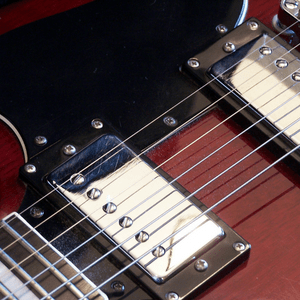
The Little ’59 is a Strat-sized humbucker — not a noiseless single coil, but a genuine dual-coil humbucker squeezed into a single-coil sized housing. It’s modelled on the PAF-style tone of the full-size Duncan ’59 humbucker, delivering a warmer, fatter tone than any single coil can produce.
What players actually say: The most important thing to understand about the Little ’59 is what it is and isn’t. It doesn’t sound like a full-size humbucker — the smaller size means it can’t quite replicate the output and density of a real PAF. But it does sound like a humbucker in a way no noiseless single coil does. Players who’ve switched from Les Pauls or other humbucker guitars to a Strat and miss that fat, warm bridge tone find the Little ’59 a practical solution. Classic rock and hard rock tones — AC/DC, Thin Lizzy, early Van Halen territory — are where it genuinely delivers. The main criticism is volume balancing with standard single coils in the neck and middle positions, which sometimes requires adjustment.
Who these suit: Hard rock players, players who want a humbucker in the bridge without routing the guitar body, players transitioning from humbucker guitars.
Who these don’t suit: Players who want to preserve the classic Strat character — the Little ’59 fundamentally changes the bridge position tone. If you want a hot Strat bridge pickup that still sounds like a Strat, the SSL-5 is the better choice.
8. Seymour Duncan California ’50s Set — Best for Vintage Players
| Magnet Type | Alnico 2 |
| Output | Vintage (low) |
| Hum-free | No |
| Best for | Vintage tone, clean playing, fingerpicking |
The California ’50s set uses Alnico 2 magnets to recreate early Stratocaster tone — soft attack, warm and woody character, outstanding dynamic response. These are pickups that reward a lighter touch and a clean amp. They’re not designed for high-gain playing and don’t pretend to be.
The Alnico 2 magnets give a warmer, less aggressive tone than the Alnico 5 found in most other pickups on this list. The result is a pickup set that sounds genuinely vintage — less output, more warmth, outstanding clarity on clean tones and chords.
Who these suit: Players who want authentic early Stratocaster tone, clean players, fingerpickers, country and vintage blues players.
Who these don’t suit: Rock and high-gain players. Low output Alnico 2 pickups simply don’t have the grunt for driven tones.
Strat Pickup Buying Guide
Single Coil vs Noiseless — The Key Decision
This is the first decision to make before anything else. True single coil pickups will always sound more authentically like a Strat than noiseless alternatives. The chime, the quack, the dynamic response — these are the product of a genuine single coil design. Noiseless pickups get close but experienced players can always tell the difference, particularly on clean tones.
The question is how much the hum bothers you. If you play with high-gain drive, a noise gate handles the hum effectively and you can use true single coils without it being a problem. If you play clean in a live environment with stage lighting and other electrical interference, noiseless pickups are a practical necessity.
Output Level and Your Playing Style
High-output pickups drive your amp harder and give you more sustain and distortion at lower amp volumes. They’re excellent for rock and high-gain styles. The trade-off is reduced dynamic range — the difference between picking softly and picking hard is compressed.
Vintage-output pickups are more sensitive to your picking technique. Pick lightly and they’re clean and delicate. Dig in and they break up naturally. This responsiveness is what makes them beloved by blues and classic rock players who use their picking dynamics expressively.
Do I Need to Replace All Three Pickups?
Not necessarily. The bridge pickup is most often the weak point on budget Strats — thin, harsh and unbalanced compared to the neck and middle. Starting with just a bridge upgrade (the SSL-5 is a popular choice for exactly this) is a cost-effective approach. If the neck and middle pickups are working for you, leave them alone.
Frequently Asked Questions
How much difference do new pickups make?
Significant — more than most other modifications. Pickups are the primary source of your electric guitar’s tone. A well-chosen pickup upgrade on a budget Strat can make it sound like a much more expensive instrument. A poor match can make an expensive guitar sound worse.
Are noiseless pickups worth it?
Depends on your priorities. If you play clean and the hum bothers you, yes. If you primarily play with drive and distortion and use a noise gate, a true single coil will sound better and the noise is manageable. Most experienced players who’ve tried both settle on true single coils for tone and manage the noise practically.
Why are Strat pickups angled?
The bridge pickup is angled to give the treble strings (closer to the bridge) more bite and definition, while the bass strings (further from the bridge) have a slightly warmer, fuller tone. This balances the tonal response across all six strings. Without the angle, the high strings would sound thin and weak at the bridge position.
Can I install Strat pickups myself?
Yes, with basic soldering skills. It’s one of the more accessible guitar modifications. The wiring diagram for a standard Strat is well documented and Seymour Duncan in particular provides clear instructions with their pickups. If you’ve never soldered before, watch a few tutorials first — a cold solder joint is the most common cause of installation problems. If you’re not confident, a local guitar tech will typically charge $50-80 for a pickup installation.
How do I know if my pickups need replacing?
If your tone sounds thin, weak or lifeless despite your amp and pedal settings being correct, your pickups may be the limiting factor. Also check pickup height first — pickups that are too far from the strings produce weak, thin tone and are often misdiagnosed as needing replacement. Raise them closer to the strings (carefully — too close causes intonation problems) and assess the tone before spending money on new pickups.