This post may contain affiliate links. As an Amazon Associate I earn from qualifying purchases.
Last Updated on April 17, 2026 by Guitar Frequency
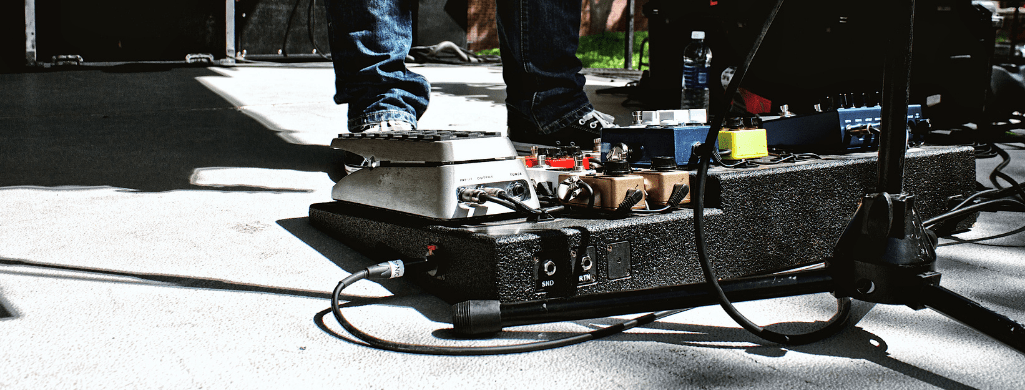
The BOSS BD-2 Blues Driver and the Ibanez TS9 Tube Screamer are two of the most iconic overdrive pedals ever made. Between them they’ve appeared on thousands of records, powered countless live rigs, and started more arguments on guitar forums than just about anything else.
They’re both overdrive pedals. They’re both affordable. They’ve both stood the test of time. But they do not sound the same, they don’t behave the same way in a signal chain, and the one that’s right for you depends entirely on what you’re trying to do.
We’ve used both — the Tube Screamer extensively, both hardware and as a plugin, the Blues Driver as a plugin across multiple amp sims. Here’s an honest breakdown with no fluff.
BOSS BD-2 Blues Driver
The Blues Driver has been in production since 1995 and it’s not hard to see why BOSS has kept it in the lineup. It delivers a warm, thick overdrive that sits somewhere between a pushed clean tone and full distortion — closer to what you’d get from a cranked vintage amp than a modern high-gain pedal.
What it actually sounds like
The BD-2 has warmth. Real warmth, not the marketing department kind. The low-mids are full and present, the attack is soft enough that it doesn’t feel harsh, and there’s a natural sag to the response that makes single notes feel alive rather than clinical.
The flip side of that warmth is that the Blues Driver can get muddy — particularly if you’re running it into an already warm amp, using humbuckers, or pushing the gain past the halfway point. The low-end build-up is the BD-2’s most common complaint and it’s a legitimate one. Players who use it successfully tend to keep the gain conservative and use the tone knob to tighten things up.
Controls
Three knobs: Level, Tone, Gain. Simple.
A common approach among experienced BD-2 users is to set both the Level and Gain high — almost maxed — and then back off just enough to find the sweet spot for their specific guitar and pickup combination. This approach works better with single coils than humbuckers, which tend to push the low-end into muddy territory more quickly.
Who it suits
The BD-2 is best suited to players who want a natural, amp-like overdrive with some character. It rewards playing dynamics well — dig in and it breaks up, back off and it cleans up. Blues, classic rock, country and indie players tend to get the most out of it. Heavy rock and metal players generally find it too loose in the low end.
Best for: Blues, classic rock, country, indie
Less suited for: High-gain rock, metal, players who need tight low-end
Gain range: Low to medium — this is not a high-gain pedal
→ Check current price – BOSS BD-2 Blues Driver
Ibanez TS9 Tube Screamer
The Tube Screamer is one of the most copied circuits in pedal history. The original TS808 came out in the late 1970s, the TS9 followed in 1982, and the basic circuit has been cloned, modified and referenced by hundreds of builders since. The reason it keeps getting copied is simple — it works.
What it actually sounds like
The defining characteristic of the Tube Screamer is its mid-range hump. It cuts low-end and boosts mids, which is the opposite of what many overdrive pedals do. This makes it sound thinner in isolation but cuts through a band mix like almost nothing else.
The overdrive on the TS9 is smooth rather than gritty. It’s a compressed, harmonically rich drive that’s instantly recognisable once you know what you’re listening for. Stevie Ray Vaughan used it into cranked Fender amps to get that singing, sustained blues-rock tone. The pushed, slightly compressed feel with sustain that blooms on lead lines — that’s the Tube Screamer.
One of the most effective ways to use the Tube Screamer is with the drive turned low — sometimes almost off — and the level cranked. Used this way it acts as a clean boost with a mid-range push that drives your amp into natural breakup rather than adding its own clipping. This is arguably its most powerful application and it’s how many professionals actually use it live.
Controls
Three knobs: Overdrive, Tone, Level.
The Overdrive knob is more useful at lower settings than many players expect. Don’t dismiss it because it sounds thin at high gain settings — that’s not what it’s designed for. Back the drive off, push the level, and let your amp do the work.
Who it suits
The TS9 is more versatile than it gets credit for. It suits blues and rock players as a standalone overdrive, but it also works exceptionally well as a boost in front of an already driven amp — tightening the response and pushing the mids into the mix. If you’re playing rock with a tube amp running at moderate gain, the Tube Screamer as a boost is one of the most effective sounds in guitar.
Best for: Blues, rock, pushing a tube amp into overdrive
Less suited for: Players who want a flat EQ response, metal with tight low-end
Gain range: Low to medium — excels as a boost
→ Check current price – Ibanez TS9 Tube Screamer
Blues Driver vs Tube Screamer – Direct Comparison
| BD-2 Blues Driver | TS9 Tube Screamer | |
|---|---|---|
| Overdrive character | Warm, loose, amp-like | Smooth, compressed, mid-focused |
| Low-end | Full — can get muddy | Scooped — tight and controlled |
| Mid-range | Relatively flat | Prominent mid-range boost |
| Best gain setting | Low to medium | Low (as boost) to medium |
| Works best with | Single coils, clean amps | Any guitar, tube amps |
| As a boost | Decent | Excellent |
| Responds to dynamics | Yes | Yes |
| Price | ~$100 | ~$100 |
The Real Difference — EQ Character
The most useful way to understand the difference between these two pedals is through their EQ character rather than their gain structure.
The Blues Driver is relatively flat in frequency response — what you put in is roughly what comes out, just with more grit and warmth. If your guitar sounds dark, the BD-2 will sound dark. If it sounds bright, the BD-2 will be bright. This makes it transparent and natural, but it also means any problem frequencies in your signal get amplified along with everything else.
The Tube Screamer actively shapes the frequency response. It cuts low-end (reducing mud), boosts mids (adding presence and cut), and rolls off harsh high treble. This is why it sounds so good in a band mix — it carves out exactly the frequency range where a guitar needs to sit.
For players who want a pedal that makes their tone sound more like itself, the Blues Driver is the right choice. For players who want a pedal that makes their tone cut through a mix, the Tube Screamer is harder to beat.
Can You Use Both?
Yes — and many players do. A common and effective combination is the Tube Screamer first in the chain as a clean boost (low drive, high level), followed by the Blues Driver for actual overdrive tones. The TS9 tightens the low-end going into the BD-2 and reduces the mud problem significantly.
That said, if you’re only buying one — read below.
Which Should You Buy?
Buy the Blues Driver if:
- You want a natural, amp-like overdrive with warmth and character
- You play blues, classic rock or country
- You use single-coil pickups
- You want a pedal that responds well to your picking dynamics
- You’re running into a clean or slightly dirty amp
Buy the Tube Screamer if:
- You want a pedal that cuts through a band mix
- You want to boost a tube amp into natural breakup
- You play rock and want smooth, compressed overdrive
- You record and want a pedal that sits in a mix without EQ surgery
- You want the more versatile of the two
Our preference: The Tube Screamer. The mid-range character and the ability to use it as a transparent boost make it the more flexible tool for rock playing. The Blues Driver is a great pedal but it requires more care with gain staging and amp matching to avoid the mud problem. The Tube Screamer is more forgiving and more consistently useful across different rigs.
→ Ibanez TS9 Tube Screamer on Amazon
→ BOSS BD-2 Blues Driver on Amazon
Frequently Asked Questions
Is the Blues Driver better than the Tube Screamer?
Neither is objectively better — they do different things. The Blues Driver is warmer and more amp-like. The Tube Screamer is tighter and cuts better in a mix. For rock playing, most guitarists find the Tube Screamer more useful. For blues and classic rock with a clean amp, the Blues Driver is hard to beat.
Can the Tube Screamer do high gain?
Not really. The TS9 is a low-to-medium gain overdrive. At high gain settings it can sound compressed and thin. It excels at low drive settings, particularly as a boost in front of an already driven amp.
Can the Blues Driver do metal?
Not well. The loose low-end and warm character of the BD-2 doesn’t suit tight, high-gain metal tones. For metal you’d be better served by a dedicated distortion pedal with tighter low-end response.
Are there better alternatives to both?
Yes, depending on your budget. The Ibanez TS808 is the original Tube Screamer circuit and many players prefer it to the TS9. The Fulltone OCD is a popular alternative to the Blues Driver for players who want a more versatile overdrive. Both the TS9 and BD-2 remain excellent choices at their price point — they’ve survived decades for good reason.
Do these pedals work with amp simulators?
Yes — both work well with amp sims and are widely used in DAW-based rigs. The Tube Screamer in particular is extremely popular for recording, either as a hardware pedal going into an interface or as a plugin. The mid-range character that helps it cut in a live mix is equally useful when recording.